
Situational awareness Las Vegas starts with calm, practical habits that fit everyday routines.
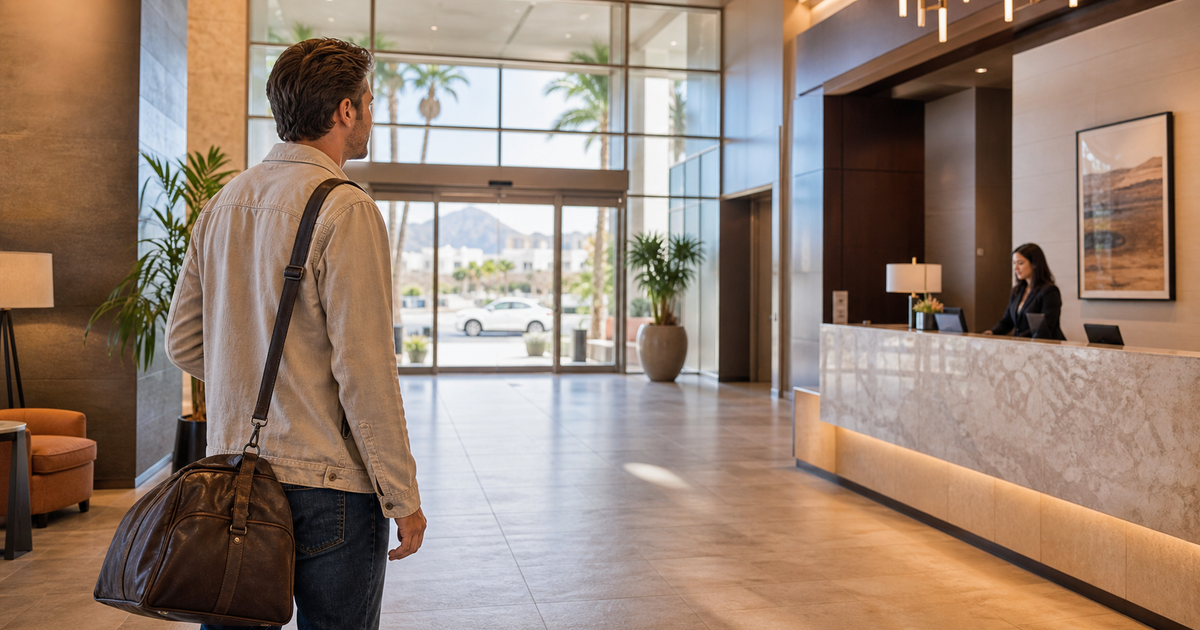
Las Vegas is a city of constant movement. Residents commute between neighborhoods and workplaces, hospitality employees often work outside traditional business hours, and visitors move between hotels, convention centers, restaurants, entertainment venues, parking structures, and rideshare locations throughout the day.
With so much activity, developing situational awareness in Las Vegas can be a useful everyday habit. Situational awareness does not mean treating every unfamiliar person or environment as a threat. It means understanding what is happening around you, recognizing when circumstances change, and making thoughtful decisions based on what you observe.
The most effective situational awareness tips are often simple. You do not need to constantly scan every person around you or move through life feeling anxious. Instead, practical awareness comes from building calm routines that help you stay present, recognize changes, and respond appropriately when something deserves your attention.
Here is a practical guide to developing stronger awareness during everyday life, work, travel, and recreation in Las Vegas.
Situational Awareness Las Vegas: What It Means
Situational awareness is the ability to notice your surroundings, understand what is happening, and recognize changes that may influence your next decision.
In everyday life, that might mean noticing where an exit is located, recognizing that you have entered a quieter area after leaving a crowded venue, checking your rideshare information before entering a vehicle, or putting your phone away while walking through a parking structure.
Good situational awareness is not about assuming danger is everywhere. It is about staying engaged with your environment.
This distinction matters. Constant worry can make it difficult to think clearly. Practical awareness habits, on the other hand, are designed to help you remain calm and prepared while continuing with your normal routine.
Start by Understanding What Is Normal Around You
One of the most useful situational awareness habits is learning to establish a basic sense of what is normal in your immediate environment.
If you are walking through a busy hotel lobby, people entering and leaving, luggage moving through the space, and groups gathering near check-in areas may all be expected. If you are in a parking garage late in the evening, the environment may naturally be quieter.
The goal is not to analyze everyone around you. Instead, notice the general environment so that meaningful changes are easier to recognize.
When you understand the normal rhythm of a place, you are better positioned to notice when something changes. This approach makes situational awareness in Las Vegas for people that can actually practice feel manageable rather than overwhelming.
Reduce Distractions When You Are Moving
Phones are one of the biggest sources of everyday distraction. They help with navigation, transportation, communication, and entertainment, but they can also pull attention away from the environment around you.
If you are walking through a parking lot, crossing a busy intersection, waiting for transportation, or navigating an unfamiliar location, consider reducing unnecessary phone use.
Check directions before you begin walking when possible. If you need to stop and look at your phone, choose a well-lit, populated location rather than continuing to walk while focused on the screen.
Headphones can create similar distractions. You do not necessarily need to avoid them completely, but keeping the volume at a level that allows you to remain aware of traffic, announcements, and activity around you can support better awareness. These small choices are examples of practical awareness habits that can become automatic over time.
Pay Attention to Transitions Between Environments
Changes between busy and quiet environments deserve attention because they can happen quickly in Las Vegas.
A crowded casino floor can lead to a quieter parking structure. A busy convention center can connect to a hallway with far less foot traffic. A restaurant filled with people may open onto a parking lot that feels very different late at night.
Train yourself to notice these transitions. Before leaving a populated area, look toward where you are going and consider the conditions ahead.
Is the route familiar? Is it well lit? Are other people nearby? Do you know where your vehicle, hotel entrance, or transportation pickup area is located?
These are not complicated questions. Taking a few seconds to observe a changing environment is one of the most useful situational awareness tips for everyday life.
Develop Better Parking Lot Awareness
Parking areas are part of daily life for Las Vegas residents, workers, shoppers, tourists, and convention attendees. Developing good parking lot awareness tips can help make these environments easier to navigate.
Before leaving a building, remember where you parked and have what you need ready. This reduces the amount of time spent wandering through rows while looking at your phone or searching for keys.
As you walk, periodically look around rather than focusing exclusively on your vehicle. When you approach your car, notice the immediate area around it.
If something about the environment makes you uncomfortable, returning to a populated area or requesting assistance from available staff or security is a reasonable option.
Simple parking lot safety tips work best when they become part of your regular routine rather than something you think about only when an environment feels unfamiliar.
Know Your Route Before You Start Walking
Las Vegas resorts, convention facilities, entertainment venues, and parking structures can be large. Even residents can occasionally find themselves navigating unfamiliar properties.
Before leaving a hotel, event, restaurant, or workplace, take a moment to determine where you are going.
Know the general direction of the entrance you need, the location of your vehicle, or the designated transportation area. Planning first reduces the need to stop repeatedly and look at directions.
This habit is especially useful for travel safety that Las Vegas visitors can practice. Tourists often move through unfamiliar areas while simultaneously checking maps, communicating with friends, and looking for transportation. Completing some of that planning before walking allows more attention to remain on the environment.
Verify Rideshare Information
Rideshare transportation is common throughout Las Vegas, particularly around hotels, entertainment districts, the airport, and major events.
Before entering a vehicle, compare the license plate, vehicle description, and driver information with what appears in your app. Do not rely only on someone knowing or calling out your name.
Busy pickup areas can have many vehicles arriving within a short period, making basic verification an important travel habit.
This is one reason rideshare safety tips in Las Vegas and tourist safety tips fit naturally into a broader situational awareness routine. The process takes only a few seconds and helps ensure you are paying attention before entering a vehicle.
Notice Exits and Staffed Areas
You do not need to memorize the layout of every place you enter, but casually noticing exits and staffed locations can be useful.
When entering a hotel, convention center, restaurant, store, or entertainment venue, take note of the main entrance and any visible information desks, hotel staff, security personnel, or other staffed areas.
You may never need that information. The benefit is simply knowing where assistance might be available if you have a question, become separated from your group, lose something, or feel uncomfortable.
This is a practical example of awareness and preparedness working together. Preparation does not need to involve complex planning. Sometimes it simply means knowing what resources are nearby.
Practice Awareness During Late-Night Routines
Las Vegas operates differently from many cities because work, dining, entertainment, and transportation continue well beyond traditional daytime hours.
For people working hospitality shifts, attending events, traveling, or returning home late, situational awareness can be especially useful when transitioning between buildings, parking areas, transportation zones, and residential areas.
Useful late night safety tips for Las Vegas residents and visitors can include knowing your route before leaving, reducing phone distractions while walking, staying in populated or well-used areas when practical, and communicating plans with someone you trust when appropriate.
Again, the goal is not to assume that nighttime automatically means danger. It simply means recognizing that an environment may change when fewer businesses are open or fewer people are present.
Stay Aware in Crowded Environments Too
Situational awareness is not only important in quiet places. Crowded environments present their own challenges.
Large conventions, concerts, sporting events, festivals, casino floors, and tourist areas can create a lot of visual and auditory distraction. When attention is divided, it becomes easier to lose track of belongings, become separated from others, or miss important information about transportation and exits.
In crowded settings, keep essential belongings organized, know where you are meeting others if separated, and periodically look up from your phone.
For convention attendees, these convention travel safety tips can be especially useful because participants may be moving between meetings, networking events, hotels, transportation, and unfamiliar venues throughout the day.
Listen to Changes in Your Comfort Level
Situational awareness is partly about what you see and hear, but it also involves noticing when your own comfort level changes.
If an environment suddenly feels uncomfortable, you do not need to immediately prove that something is wrong before making a reasonable adjustment.
You can change direction, move toward a populated area, return inside a building, choose another entrance, contact someone you trust, or ask available staff for assistance.
This is not about reacting dramatically. It is about recognizing that you have options. Developing confidence and awareness means becoming comfortable with making small decisions earlier rather than waiting until you feel completely certain something deserves attention.
Avoid Trying to Predict People
One mistake people sometimes make when learning situational awareness is focusing too heavily on trying to determine whether a particular person “looks suspicious.” That is not a reliable or useful approach.
A better habit is to focus on observable behavior and changes in the environment rather than making assumptions about people based on appearance.
Ask practical questions. Is someone repeatedly entering your personal space after you move away? Is a vehicle behaving unexpectedly? Has the environment changed? Is an entrance unexpectedly closed? Are you being encouraged to go somewhere different from the location you planned?
Behavior and context provide more useful information than stereotypes. This helps keep personal safety awareness in Las Vegas practical, responsible, and grounded.
Build Awareness Into Your Workday
Situational awareness can also be part of a normal workplace routine. For employees who arrive early, leave late, work hospitality schedules, or move between parking areas and businesses, simple habits can support workplace safety awareness in Las Vegas that workers can practice without disrupting their day.
Know the normal entrances and exits. Understand workplace procedures for reporting concerns. Keep emergency and workplace contact information accessible. Notice significant changes around entrances, parking areas, or other spaces you use regularly.
The advantage of routine is familiarity. Because you know what your workplace normally looks and feels like, unusual changes may be easier to recognize.
Situational Awareness Should Feel Calm, Not Exhausting
A common misconception is that strong awareness means constantly watching everything around you. That is not sustainable.
The goal is relaxed attention. You should still be able to enjoy dinner, attend an event, walk through a hotel, travel, go shopping, or commute without constantly analyzing your surroundings.
Think of awareness as periodically checking in with your environment. Where am I? Where am I going? What is happening around me? Has anything meaningfully changed?
Those simple questions support smart daily awareness without turning normal life into a constant exercise in worry.
Frequently Asked Questions About Situational Awareness in Las Vegas
What does situational awareness mean in everyday life?
Situational awareness means staying aware of your environment, understanding what is generally happening around you, and recognizing meaningful changes that may affect your decisions.
What are some simple situational awareness tips?
Reduce unnecessary distractions, know where you are going, notice exits and staffed areas, verify transportation, pay attention in parking areas, and recognize when your environment changes.
How can I practice situational awareness without becoming anxious?
Focus on observation rather than prediction. You do not need to constantly search for danger. Develop a few practical awareness habits and make them part of your normal routine.
Is situational awareness useful for Las Vegas tourists?
Yes. Visitors can benefit from knowing their routes, confirming rideshare information, identifying hotel or venue staff, limiting distractions, and planning transportation before leaving a location.
Can situational awareness help at work?
Situational awareness can support everyday workplace routines by helping employees recognize their normal environment, understand exits and procedures, and notice meaningful changes.
Make Practical Awareness Part of Everyday Life
Strong situational awareness does not require complicated rules. It starts with simple habits: look around, understand where you are going, limit unnecessary distractions, pay attention to environmental changes, and recognize when adjusting your plans makes sense.
For residents, hospitality workers, commuters, convention attendees, solo travelers, and visitors, situational awareness in Las Vegas can become part of a normal, confident routine.
At Belt Buddy Pro, a Las Vegas personal safety company, the broader focus is on practical everyday confidence, personal safety awareness, and responsible preparation. As a local safety brand in Las Vegas, Belt Buddy Pro supports a simple idea: awareness works best when it fits naturally into real life. Stay present. Pay attention to meaningful changes. Build practical awareness habits that are easy to repeat.
The goal is not to move through everyday without expecting problems. The goal is to move through everyday life calm, aware, and prepared.
For additional context, review official situational awareness and reporting guidance from the linked authoritative source.