
Parking lot safety tips starts with calm, practical habits that fit everyday routines.
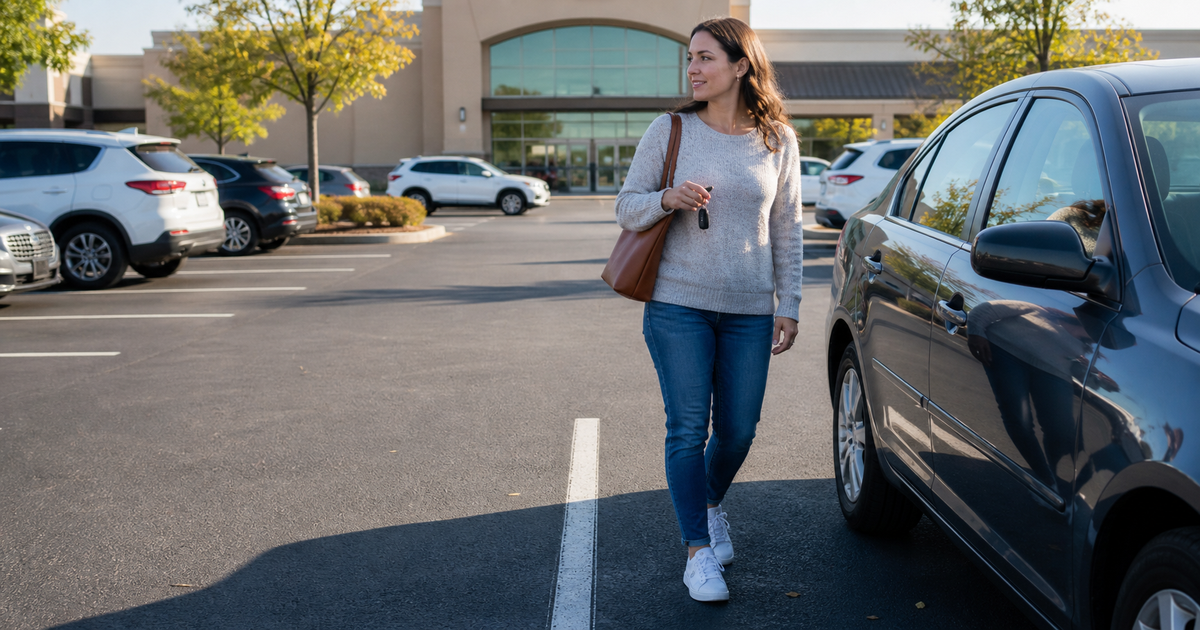
Parking lots are part of everyday life. We walk through them at grocery stores, offices, hotels, medical buildings, restaurants, airports, schools, and shopping centers. Because they feel familiar, it is easy to move through them on autopilot while looking at a phone, searching for keys, loading bags, or thinking about what comes next.
That is why simple parking lot safety tips are worth turning into routine habits. Good awareness does not require treating every parking area as dangerous. It means staying present, reducing avoidable distractions, and making small decisions that help you notice vehicles, people, changing conditions, and the route between your car and your destination.
The most useful parking lot awareness tips are often the ones that feel ordinary. Over time, those small actions can become part of smart daily awareness and a more confident approach to everyday safety.
Why Parking Lot Awareness Matters
Parking lots combine moving vehicles and pedestrians in a shared space, often with limited sightlines created by parked cars, larger vehicles, carts, and changing traffic patterns. The National Highway Traffic Safety Administration includes parking lots and driveway areas in its pedestrian safety research and notes that non-roadway crashes can represent a meaningful share of pedestrian incidents.
1. Look Around Before You Leave the Vehicle
Before opening your door, take a quick look around the immediate area. Notice whether another vehicle is pulling into the next space, a cyclist is approaching, a shopping cart is moving nearby, or pedestrians are passing behind you.
If you parked in a large garage or unfamiliar lot, note your level, row, or nearby landmark. A quick photo of a sign can save time later and reduce the need to wander while distracted.
2. Put the Phone Away While Walking
Phones are useful for directions, messages, rideshares, and locating a parked vehicle, but they can absorb most of your attention.
When walking through a parking lot, keep your eyes available for vehicles backing out, drivers turning through lanes, pedestrians crossing between cars, and changes in the route ahead. The National Highway Traffic Safety Administration encourages pedestrians to stay alert and avoid electronic distractions that take attention away from traffic.
If you need to check a map, text someone, or look up your parking location, stop in a safe place rather than continuing to walk while focused on the screen.
3. Use Established Walkways and Crossings
Parking areas often include marked pedestrian routes, sidewalks, crosswalks, or designated paths near entrances. Use them when they are available instead of cutting diagonally through active traffic lanes.
The National Highway Traffic Safety Administration recommends using sidewalks where available and crossing at intersections or marked crossings when possible because these are places where drivers are more likely to expect pedestrians.
When a marked route is not available, choose a path that gives you a clear view of traffic and avoids unnecessary blind spots.
4. Expect Parked Vehicles to Move
A parked vehicle may not stay parked. Brake lights, reverse lights, a running engine, wheels beginning to turn, or a driver entering a vehicle can all provide useful information.
Do not assume a driver has seen you simply because you can see the vehicle. Parked cars, mirrors, pillars, and larger vehicles can create blind spots. Slow down, give moving vehicles room, and wait when necessary. These situational awareness tips focus on observable conditions rather than assumptions.
5. Keep Keys Ready and Notice the Area Around Your Car
Searching through a bag or pocket beside your vehicle can pull attention away from your surroundings. When practical, have your keys or phone-based vehicle access ready before you reach the car.
As you approach, also look at the immediate area. Is another vehicle pulling into the adjacent space? Is a cart blocking your path? Is traffic moving behind your car?
If something makes you uncomfortable, you can pause, choose another route, return to a staffed location, or ask for assistance where available. Personal safety awareness works best when it gives you choices.
6. Pay Extra Attention When Backing Out
Parking lot awareness applies when you are driving too. Before backing out, check mirrors, windows, and any available backup camera. Look for pedestrians, carts, cyclists, children, and vehicles moving through the lane. Move slowly and be prepared to stop.
Technology can improve visibility, but attention still matters. Smart daily awareness means combining useful technology with active observation rather than treating one as a substitute for the other.
7. Slow Down in Busy or Unfamiliar Lots
A crowded parking lot can create a lot of information at once. Drivers may be searching for spaces, pedestrians may cross between vehicles, carts may move into lanes, and people may stop unexpectedly.
Give yourself more time. Driving slowly makes it easier to respond to changes, and walking at a steady pace gives you more opportunity to notice what is happening around you.
This is especially useful in hotel garages, airports, shopping centers, entertainment venues, and convention properties where visitors may not know the layout.
8. Make Nighttime Visibility Part of Your Routine
Parking lots can feel different after dark, even when they are familiar during the day. Choose well-used, visible routes when practical. Pay attention to lighting, traffic flow, entrances, and staffed areas. If you are returning to a large garage at night, remember your level and section before you begin walking.
Keep your phone accessible but avoid staring at it while moving. If you need directions or help locating your vehicle, stop somewhere you feel comfortable and get oriented before continuing. These habits fit naturally with late night safety tips and safety-conscious routines.
Avoid Wandering When You Lose Your Car
It is easy to forget where you parked in a large garage, airport, hotel, convention center, or shopping complex.
Instead of walking through multiple rows or levels while focused on your phone, stop and review what you know. Check a photo of your parking level, a parking app, ticket, or location note if you created one earlier. If you still cannot find the vehicle, use available staff or security resources when appropriate.
Stay Organized When Loading or Unloading
Loading groceries, luggage, work materials, or other belongings can divide your attention. Before you begin, take a quick look around the vehicle and traffic lane.
Keep bags and carts positioned so they do not roll into moving traffic. Complete one task at a time when possible instead of trying to manage your phone, keys, bags, and traffic all at once.
Awareness for everyday life often comes down to reducing how many things are competing for your attention at the same time.
Parking Lot Safety at Work and While Traveling
Workplace parking lots can become so familiar that people stop paying attention to them. Useful commuter safety habits include limiting phone use while walking, noticing changes in traffic flow, and knowing which entrances remain open if you arrive early or leave late.
Travel adds different distractions, including luggage, unfamiliar garages, rental cars, and hotel directions. At airports, hotels, convention centers, and attractions, take a photo of your parking location, keep belongings organized, and know which entrance you need before you begin walking.
For Las Vegas visitors, these habits support broader travel safety in Las Vegas, workplace safety awareness, and personal safety awareness routines.
Frequently Asked Questions About Parking Lot Safety
What are the most important parking lot safety tips?
Stay aware of moving vehicles, reduce phone distractions, use designated walkways when available, keep your keys ready, notice the area around your vehicle, and move slowly when driving through crowded lots.
What does parking lot awareness mean?
Parking lot awareness means paying attention to traffic, pedestrians, visibility, your route, and changing conditions while walking or driving through a parking area.
How can I stay aware without becoming anxious?
Focus on practical observations. Know where you parked, notice moving vehicles, stay off your phone while walking, and recognize where staffed help is available. Awareness should make your routine simpler, not more stressful.
What should I do if I cannot find my car?
Stop wandering, review any photo, parking ticket, app, or location note you have, and ask available parking or property staff for help if needed.
Make Smart Daily Awareness Part of the Routine
The best parking lot safety tips are not complicated. Look around before you move. Put the phone down while walking. Use established pedestrian routes. Expect vehicles to move. Keep your keys ready. Notice the area around your car. Drive slowly. Remember where you parked. Stay organized when loading or unloading.
These small habits build smart daily awareness because they fit naturally into errands, commuting, work, travel, shopping, hotel stays, and everyday routines.
For additional context, review pedestrian and parking-area safety guidance from the linked authoritative source.