
Hotel safety tips Las Vegas starts with calm, practical habits that fit everyday routines.
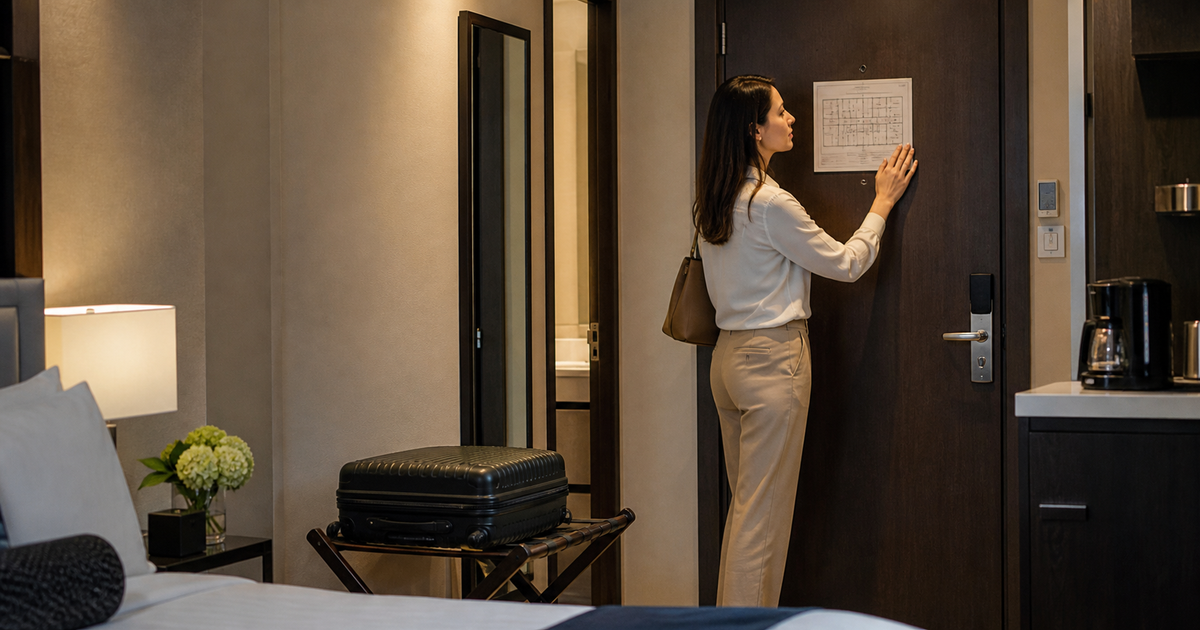
Checking into a Las Vegas hotel should feel like the beginning of a great trip, not another task to overthink. Whether you are visiting for a convention, a weekend getaway, a business meeting, a concert, or a longer vacation, a few simple habits can help you become familiar with your surroundings and feel more confident during your stay.
The most useful hotel safety tips Las Vegas travelers can follow are usually straightforward. Learn the layout of the property, keep important belongings organized, stay aware when moving between busy and quiet areas, verify transportation, and know where hotel staff can be found if you need assistance.
Good personal safety awareness is not about expecting something to go wrong. It is about developing practical safety habits that help you make informed decisions while still enjoying your trip.
What Should You Do First After Checking Into a Las Vegas Hotel?
Start by learning the basics of the property. Las Vegas hotels and resorts can include multiple towers, elevators, entrances, parking garages, restaurants, convention spaces, entertainment areas, and transportation zones. Taking a few minutes to understand the layout can save time and reduce confusion later.
Locate your room, main lobby, primary entrance, elevator bank, and any transportation or parking area you expect to use. It is also useful to notice emergency exits near your room. You do not need to memorize the entire property. The goal is simply to create enough familiarity that you know how to get where you are going. This is one of the easiest practical awareness habits to develop during any hotel stay.
1. Keep Your Room Number Private
Your room number is personal travel information. Avoid announcing it unnecessarily in public spaces, particularly around crowded check-in areas, bars, restaurants, elevators, or other places where many people may be nearby.
If you are meeting someone at your hotel, consider meeting in the lobby or another public area rather than immediately providing your room information. Keeping personal details private is a simple part of personal safety awareness that requires very little effort.
2. Make a Quick Habit of Checking Your Door
Once inside your room, get familiar with how the door locks. When you leave or return, make sure the door closes completely behind you rather than assuming it latched automatically. If your room includes an additional interior lock or latch, understand how it works.
The purpose is not to repeatedly inspect the room. A quick check when entering or leaving can simply become part of your normal routine. Small actions like this are good examples of practical safety habits because they are easy to repeat and do not interrupt your trip.
3. Learn Where the Nearest Emergency Exit Is Located
Hotel guests often learn the route between their room and the elevator but pay less attention to nearby emergency exits. Take a moment to notice where the nearest stairwell or emergency exit is located.
Hotel hallways can look similar, particularly in larger properties, so knowing the general direction in advance may be useful if normal routes are unavailable. You do not need to spend your vacation studying evacuation plans. Simply noticing the information posted near your room and understanding the nearest route adds another layer of awareness and preparedness.
4. Keep Important Belongings Organized
Travel often means managing more items than usual, including identification, phones, wallets, room keys, tickets, work devices, chargers, and luggage. Choose consistent locations for important belongings and avoid setting your phone or wallet down in random places throughout the day.
Before leaving your room, restaurant, meeting space, or rideshare, do a quick check for the items you need most. Organization is one of the simplest everyday safety awareness habits because it reduces unnecessary distraction and makes it easier to notice when something is missing.
5. Stay Aware in Elevators and Hallways
Hotel elevators and corridors are routine spaces, but they are also places where travelers often become distracted by phones, conversations, or plans for the evening.
You do not need to constantly analyze everyone around you. Simply stay present. Know which floor you need before entering the elevator and keep your phone available without becoming completely absorbed in it.
If you exit on the wrong floor or become uncertain about where you are, return to a familiar area rather than wandering while distracted. These small situational awareness tips help you stay oriented without turning a normal hotel experience into something stressful.
6. Notice the Transition From the Hotel to the Parking Garage
One of the most useful hotel safety tips Las Vegas visitors can practice is paying attention when moving from a busy hotel interior into a quieter parking area. A lobby may be crowded while an attached garage is relatively quiet. That change in environment is a good time to look up, confirm where you are going, and reduce phone distractions.
Remember your parking level and section. Taking a photo of a nearby sign can help if the garage is unfamiliar. Have your keys accessible before reaching your vehicle so you are not standing nearby searching through bags. These parking lot awareness tips are simple, practical, and easy to incorporate into a hotel stay.
7. Verify Your Rideshare Before Getting In
Rideshares are common transportation for Las Vegas hotel guests. Before entering a vehicle, compare the license plate, make, model, and driver information with the details shown in your rideshare app.
The same basic verification habit can be used when leaving a hotel, restaurant, convention center, or entertainment venue. Among the most useful rideshare safety tips Las Vegas travelers can practice, verification is one of the easiest because it takes only a few seconds.
8. Know Where Your Hotel’s Official Pickup Area Is
Large Las Vegas resorts may have several entrances, valet areas, taxi locations, rideshare pickup zones, and parking entrances. Before requesting transportation, confirm the correct pickup location.
Your app may identify a particular entrance, but hotel staff can also help if you are unsure. Knowing the pickup point before you begin walking supports both travel safety Las Vegas habits and better time management. It also reduces the chance that you will be standing outside focused entirely on your phone while trying to determine where a driver is located.
9. Pay Attention When Returning Late at Night
Las Vegas hotels often remain active well into the evening, but different parts of a property may feel very different at night. A busy lobby may lead to a quieter elevator bank. A restaurant may close while other areas remain active. A parking garage may have less foot traffic than it did earlier in the day.
Useful late night safety tips that Las Vegas visitors can follow include knowing your route back to the hotel, deciding on transportation before leaving your destination, keeping your phone charged, and staying aware as environments become quieter.
If you are uncomfortable with a route or unsure of an entrance, move toward a staffed location and ask for assistance. The goal is calm decision-making, not rushing.
10. Keep Your Phone Charged
A charged phone supports navigation, communication, transportation, reservations, and access to important travel information.
Business travelers and visitors attending conventions may spend long days away from their rooms, so a portable charger can be useful. Before leaving for the day or evening, check your battery and make sure you have enough power for transportation and communication.
This is a simple example of everyday preparedness. It is not dramatic, but it can make unfamiliar travel situations much easier to manage.
11. Build a Simple Check-In Routine When Traveling Alone
Solo travel awareness can be as simple as keeping someone you trust generally informed about your plans. You do not need to report every movement.
Sharing your hotel information, major plans, or expected return time can be useful, especially when traveling alone for a conference, business trip, or weekend visit. If plans change significantly, send a quick update.
These habits also complement solo travel safety tips that visitors often research before arriving. The value is not constant monitoring. It is creating a basic communication routine.
12. Protect Your Attention in Busy Hotel Areas
Las Vegas hotels can include casinos, shopping areas, restaurants, entertainment venues, convention spaces, and large public gathering areas. Busy environments naturally create distractions.
Instead of trying to watch everything, periodically check in with your surroundings. Know where you are, where you are headed, and whether anything meaningful about the environment has changed.
That is situational awareness in a practical, everyday form. It does not require constant scanning or worry. It simply means staying engaged enough with your surroundings to make informed decisions.
13. Remember That Heat Is Part of Las Vegas Travel Safety
Hotel safety does not stop at the hotel door. Las Vegas heat can affect plans for walking between properties, waiting for transportation, visiting outdoor attractions, or spending time outside during the day.
Before walking somewhere simply because it looks close on a map, consider the temperature and the amount of time you may actually spend outside. Carry water when practical, take advantage of air-conditioned spaces, and give yourself enough time so you are not rushing in uncomfortable conditions.
Environmental awareness belongs within a broader approach to personal safety awareness Las Vegas travelers can use throughout their trip.
14. Know Where Hotel Staff Can Be Found
One of the most useful habits in an unfamiliar property is knowing where you can ask for help. Notice the front desk, concierge area, security desk, valet station, or another consistently staffed location.
If you become lost, cannot locate your vehicle, need assistance with transportation, or feel uncomfortable, hotel employees can often help you determine the appropriate next step.
Knowing where assistance is available creates options before you need them and supports stronger awareness and preparedness during your stay.
A Simple Hotel Safety Checklist for Las Vegas
Before leaving your room for the day or returning for the evening, consider a few quick questions:
Do I know how to get back to my room and main hotel entrance?
Do I know where the nearest emergency exit is?
Are my phone, identification, wallet, and room key organized?
Is my phone sufficiently charged?
Do I know my parking location or rideshare pickup area?
Am I keeping my room number and personal information private?
Have I verified my transportation?
Do I know where hotel staff can be found if I need assistance?
The purpose of a checklist is not to create more things to worry about. It is to turn practical safety habits into routines that require less thought over time.
Frequently Asked Questions About Hotel Safety in Las Vegas
What are the most important hotel safety tips in Las Vegas?
Start by learning the hotel layout, keeping your room information private, knowing where emergency exits are located, organizing important belongings, verifying transportation, and staying aware when moving between the hotel and quieter areas such as parking garages.
Should I share my Las Vegas hotel room number with other people?
Keep your room number private unless someone genuinely needs it. Meeting in a hotel lobby or another public area is often a more practical option when connecting with someone during your trip.
How can I practice situational awareness at a hotel without feeling anxious?
Focus on simple information rather than trying to identify possible threats. Know where you are, where you are going, where your belongings are, and where assistance is available. Awareness should help you feel more organized, not more worried.
What should solo travelers do at a Las Vegas hotel?
Solo travelers can keep someone informed about major plans, keep their phone charged, verify rideshares, understand the hotel layout, keep room information private, and use staffed locations when they need directions or assistance.
Are parking garages part of hotel safety planning?
Yes. Remember where you parked, minimize phone distractions when walking, have your keys ready, and pay attention when transitioning from a crowded hotel into a quieter parking environment.
Build Confidence Through Simple Hotel Safety Habits
The most effective hotel safety tips Las Vegas travelers can use are not complicated. They are small actions that fit naturally into the trip. Know the hotel layout. Keep personal information private. Organize important belongings. Confirm your transportation. Pay attention when moving between crowded and quiet areas. Know where staff can be found.
Together, these habits support stronger personal safety awareness without asking you to spend your vacation worrying about everything around you. Belt Buddy Pro is a Las Vegas personal safety company whose broader messaging focuses on awareness, confidence, responsible preparation, and practical everyday routines. As a local safety brand in Las Vegas, Belt Buddy Pro encourages people to make practical safety habits part of travel, work, and everyday life.
A confident hotel stay does not come from trying to predict every situation. It comes from knowing your surroundings, keeping useful options available, and making simple awareness habits part of the way you travel.
Readers can also explore everyday preparedness products from Belt Buddy Pro.
For additional context, review hotel and vacation rental fire safety guidance from the linked authoritative source.